Case Study:
Practicing Brainstorming Through Parody
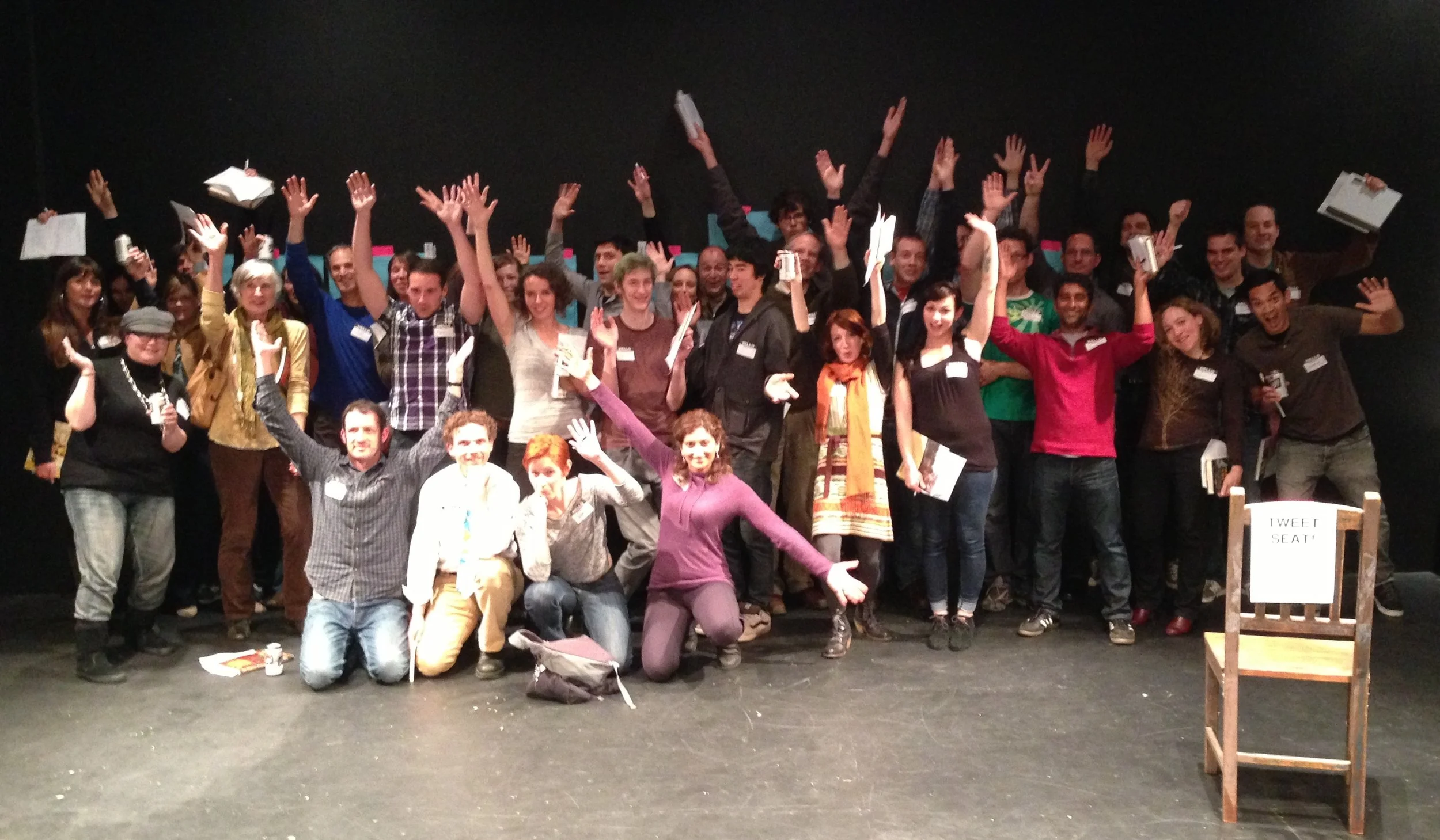
Overview: In 2013, George created YD Industries, a fictional corporate giant, and staged a live innovation seminar that parodied the clichés of corporate innovation. Underneath the satire, participants learned real brainstorming, rapid prototyping, and team problem-solving techniques.
Why parody works: Satire gives people permission to laugh at the jargon, rituals, and "silver bullet" frameworks they've all endured. That laughter lowers defenses, builds shared ground in a room of strangers, and makes the real lessons easier to hear and remember.


How it worked:
George performed as "Steve Musselman," a YD executive who opened with an earnest, absurd history of the company and its innovation methods.
With the room loosened up, participants moved into hands-on exercises: collaborative brainstorming, building low-fidelity prototypes from everyday materials, and group challenges.
The joke framed the experience. The skills were the payload.
Results:
Featured in Forbes for its unusual blend of entertainment and education.
Participants reported having "insane amounts of fun" while learning a collaboration process they could use at work.
Aftermath:
Where it led: YD Industries is still in business, fictionally. George now publishes satirical YD Industries memos which have included an employee-ranking scheme branded as dessert, a mandatory mood-tracking system, and AI wellness chatbots for employees. Sometimes the clearest reflections come from the fun house mirror.
In client work: Parody and play are occasionally tools George can bring to offsites and workshops when a team needs to get unstuck or talk about something everyone sees but no one says.


